Tea

Tea

Tea, Hydration, and Heat: How Tea Supports Wellness in the UAE Climate

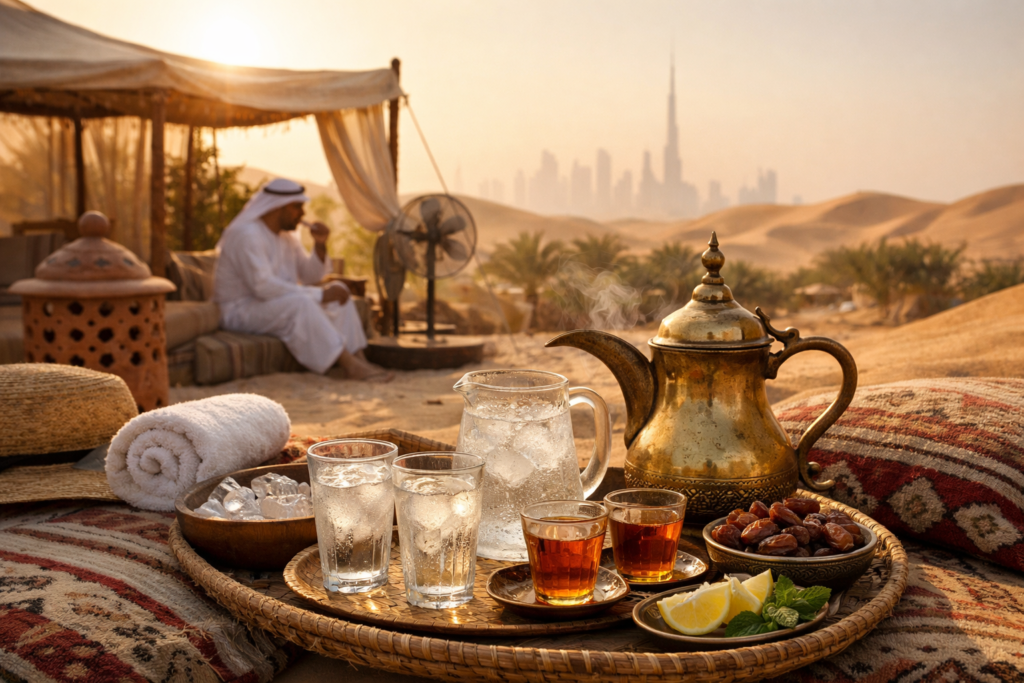
Introduction Living in the UAE means adapting to a hot, arid climate for most of the year. High temperatures, air-conditioned environments, and busy urban lifestyles can place unique stress on the body, especially when it comes to hydration, digestion, and overall wellness. While water remains essential, tea plays an often-overlooked role in supporting health in extreme heat when chosen and consumed correctly. This blog explores how tea can complement hydration, support digestion, aid metabolic balance, and promote overall well-being for people living in the UAE. Understanding Hydration Beyond Just Water Hydration is not only about how much water you drink, but also how efficiently your body retains fluids and minerals. In the UAE climate, excessive sweating leads to loss of electrolytes such as sodium, potassium, and magnesium. Certain teas, especially herbal and lightly oxidized varieties, can contribute to fluid intake while offering additional functional benefits. Unlike sugary drinks or artificially flavored beverages, tea provides hydration without adding empty calories or excessive sugar. Cooling the Body from the Inside It may seem counterintuitive, but warm or mildly hot tea can actually help the body cool itself more efficiently. Traditional cultures in hot regions have long consumed tea because: Teas such as green tea, white tea, mint tea, and hibiscus are especially popular in warm climates due to their light profile and cooling sensation. Tea and Digestive Health in Hot Weather Digestive discomfort is common in hot climates due to dehydration, irregular eating patterns, and heavy meals. Tea supports digestion by: Teas particularly beneficial for digestion include: For UAE residents who often eat late dinners or rich foods, a light tea after meals can support digestive balance. Supporting Metabolism and Weight Management Sedentary work styles combined with high-calorie diets are common challenges in urban UAE lifestyles. Tea contains natural compounds such as catechins and polyphenols that help: Green tea and oolong tea are particularly known for their metabolic benefits when consumed regularly without sweeteners. Tea as a Low-Caffeine Energy Alternative Many people in the UAE rely heavily on coffee and energy drinks to combat fatigue, especially during long workdays and late nights. Tea provides a gentler energy boost due to: This makes tea ideal for professionals, students, and fitness-conscious individuals looking for sustained alertness. Immunity and Antioxidant Support Frequent exposure to air conditioning, temperature changes, and indoor environments can affect immunity. Tea is rich in antioxidants that help: Herbal blends with ingredients such as tulsi, lemongrass, cinnamon, and cloves are especially valued for immune support. Choosing the Right Tea for the UAE Lifestyle When selecting tea for daily consumption in the UAE, consider the following: Cold-brewed teas are also an excellent option, offering hydration and flavor without bitterness. Final Thoughts Tea is more than a comforting beverage. In the UAE’s demanding climate, it can be a practical wellness tool that supports hydration, digestion, metabolism, and mental clarity. When consumed mindfully, tea fits seamlessly into a modern, health-conscious UAE lifestyle, offering both tradition and science in every cup. Whether hot or cold, herbal or green, tea remains one of the simplest ways to care for your body in the desert heat.
Tea

Tea and Sleep Quality in the UAE: Why Night-Time Teas Are Becoming a Wellness Habit

Introduction Intermittent fasting, time-restricted eating, and prolonged gaps between meals are becoming increasingly common in the UAE. Driven by fitness goals, busy work schedules, and cultural practices like Ramadan, many residents are searching for beverages that support energy, digestion, and hydration without breaking their routine. Tea has emerged as one of the most practical and health-aligned choices for people following fasting or long-hour eating patterns. The Rise of Fasting Lifestyles in the UAE Several trends are shaping eating habits across the region: These patterns increase the need for low-calorie, gut-friendly, and hydrating beverages. Why Tea Works Well During Fasting Tea supports fasting routines without causing spikes in blood sugar or insulin when consumed without sweeteners. Key benefits include: This makes tea ideal during fasting windows or between long meal gaps. Best Teas to Consume While Fasting Green Tea Green tea supports fat metabolism and mental alertness, making it a popular choice during morning fasting hours. Black Tea (Without Additives) Black tea offers stronger flavor and mild caffeine, helping individuals stay focused during long workdays. Herbal Teas Herbal options such as mint, ginger, fennel, and chamomile are naturally caffeine-free and excellent for gut comfort. Oolong Tea Oolong sits between green and black tea, offering balanced energy and digestive support during extended fasting periods. Tea and Appetite Control Warm beverages like tea can help reduce unnecessary snacking by: For individuals fasting for weight management, tea becomes a useful behavioral tool. Supporting Digestion After Breaking a Fast After long fasting hours, digestion can feel sensitive. Tea helps ease this transition by: Light teas consumed after meals can reduce discomfort without overwhelming the stomach. Tea During Ramadan and Cultural Fasting During Ramadan, tea plays a quiet but important role. Many people prefer: Tea integrates naturally into fasting traditions without disrupting spiritual or physical balance. Hydration Without Breaking the Routine Staying hydrated is challenging during long fasting windows, especially in the UAE climate. Tea contributes to daily fluid intake and is often easier to consume consistently than plain water for many people. Cold-brew teas are also gaining popularity for hydration outside fasting hours. Who Is Choosing Tea for Fasting Support Tea is increasingly favored by: Its versatility makes it suitable across age groups and lifestyles. Final Thoughts As fasting and flexible eating patterns become part of everyday life in the UAE, tea stands out as a supportive, natural, and culturally compatible beverage. Whether consumed during fasting hours or after meals, tea helps balance energy, digestion, and hydration without compromising health goals. In modern UAE lifestyles, tea is no longer just a drink. It is a functional companion to mindful eating.

Tea, Uncategorized

Tea Culture in Dubai: From Traditional Chai to Modern Tea Experiences

Dubai is often celebrated for its skyline, luxury lifestyle, and fast-paced innovation, but beneath the modern façade lies a deeply rooted tea culture that reflects the city’s heritage, diversity, and global outlook. Tea in Dubai is more than a beverage. It is a social ritual, a symbol of hospitality, and an evolving lifestyle trend shaped by multicultural influences. This blog explores how tea has become an integral part of daily life in Dubai, blending tradition with modernity and positioning the city as a growing hub for premium and specialty teas. The Cultural Roots of Tea in Dubai Tea has long been a staple in Emirati households. Traditionally served to guests as a gesture of respect and warmth, tea plays a central role in social gatherings, family conversations, and business meetings. The act of serving tea represents generosity and connection, values that are deeply embedded in Emirati culture. Classic preparations often include black tea brewed strong and flavored with spices such as cardamom, saffron, or cloves. Sweetened tea is common, reflecting the region’s preference for rich and comforting flavors. Chai as a Daily Ritual In Dubai, chai is not limited to homes. It is a daily ritual found everywhere, from roadside cafeterias and small tea stalls to offices and construction sites. Karak chai, a spiced milk tea influenced by South Asian traditions, has become especially iconic. Affordable, flavorful, and comforting, karak chai represents the multicultural fabric of Dubai. It is enjoyed by people from all walks of life, making it one of the most unifying elements of the city’s food culture. A Global Tea Influence Dubai’s position as an international hub has introduced a wide variety of tea styles from around the world. Walk into any supermarket or café and you will find teas inspired by Indian, Chinese, Japanese, British, Moroccan, and Middle Eastern traditions. Some popular global influences include: This diversity has expanded consumer preferences and encouraged experimentation with flavors, blends, and brewing techniques. The Rise of Premium and Specialty Teas In recent years, Dubai has witnessed a growing demand for premium and specialty teas. Consumers are becoming more conscious about quality, origin, and health benefits. Loose-leaf teas, organic blends, and artisanal infusions are gaining popularity, particularly among younger, lifestyle-driven audiences. Tea lounges, boutique cafés, and luxury hotels now curate tea menus similar to wine lists, offering guided tastings and pairing experiences. This shift reflects a broader trend where tea is positioned as a refined and experiential product rather than a basic refreshment. Tea and Wellness Trends in Dubai Health and wellness play a major role in shaping modern tea consumption in Dubai. With increasing awareness around lifestyle diseases and mental well-being, many residents are turning to tea as a natural alternative to sugary beverages. Popular wellness-focused tea categories include: Tea fits seamlessly into Dubai’s wellness culture, complementing yoga, fitness, and mindful living trends. Tea in Social and Business Settings Tea continues to be an essential part of both informal and professional interactions in Dubai. Business meetings often begin with tea, setting a relaxed and welcoming tone. In homes, serving tea remains a key part of hosting guests, regardless of the occasion. This social significance makes tea a powerful connector, bridging cultures and fostering relationships in a city known for its diversity. Innovation in Tea Packaging and Convenience As lifestyles become busier, convenience has become a key factor in tea consumption. Tea bags, ready-to-drink teas, and instant blends are widely accepted, especially among working professionals. At the same time, brands are focusing on premium packaging, sustainable materials, and modern design to appeal to Dubai’s visually driven and quality-conscious consumers. The balance between convenience and craftsmanship defines the next phase of tea consumption in the region. Dubai as a Growing Tea Market Dubai’s strategic location, strong retail infrastructure, and diverse population make it an attractive market for tea brands. The city acts as a gateway to the wider Middle East, Africa, and South Asia, enabling tea businesses to scale regionally. With rising interest in premium products and lifestyle branding, tea in Dubai is no longer limited to tradition. It is becoming a statement of taste, wellness, and identity. The Future of Tea in Dubai The future of tea in Dubai looks promising. Innovation, sustainability, and storytelling will shape consumer choices. Brands that focus on quality, authenticity, and cultural relevance are likely to stand out. As Dubai continues to blend heritage with global trends, tea will remain a constant presence, evolving in form but retaining its essence as a symbol of connection, comfort, and culture. Final Thoughts Tea in Dubai reflects the soul of the city. Rooted in tradition yet open to global influence, it represents how cultures merge and evolve. Whether enjoyed as a simple cup of karak on the street or as a curated experience in a luxury lounge, tea remains an integral part of Dubai’s lifestyle. For residents and visitors alike, exploring tea in Dubai is not just about taste. It is about understanding the city’s rhythm, diversity, and enduring appreciation for meaningful moments shared over a warm cup.

Tea, Trends

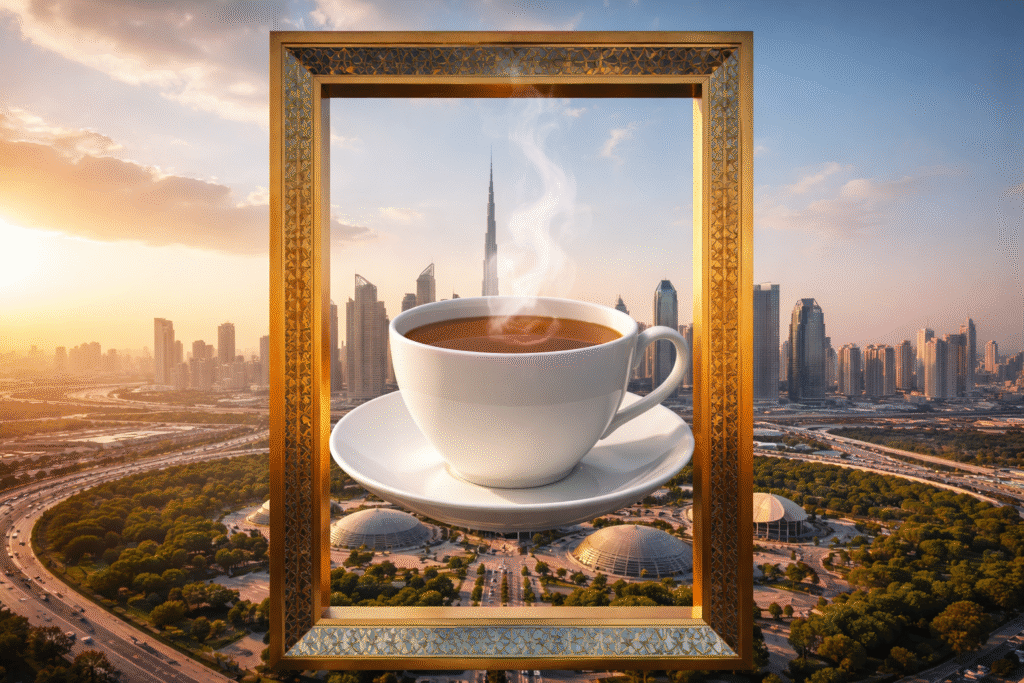
Tea Culture in the UAE 2026: How the Emirates Is Redefining the Future of Tea

The United Arab Emirates has long been associated with coffee traditions, luxury hospitality, and global trade. However, as we move toward 2026, tea is emerging as one of the fastest-evolving beverage categories in the country. From premium blends and functional teas to smart packaging and sustainable sourcing, the UAE is quietly positioning itself as a regional hub for modern tea culture. This transformation is not accidental. It is driven by changing consumer preferences, health awareness, multicultural influences, and the UAE’s ambition to lead in lifestyle innovation. The Rise of Tea as a Lifestyle Beverage in the UAE Tea in the UAE is no longer limited to a morning habit or a traditional offering in homes. By 2026, tea has become a lifestyle choice closely linked to wellness, productivity, and social experiences. Young professionals, fitness-focused consumers, and digital natives are actively choosing tea over sugary drinks and excessive caffeine. Green tea, herbal infusions, and low-caffeine blends are especially popular among people looking for balance rather than stimulation. Luxury hotels, co-working spaces, and concept cafés across Dubai and Abu Dhabi now curate tea menus in the same way wine or coffee menus are designed. Multicultural Influence Driving Tea Innovation One of the strongest factors shaping tea trends in the UAE is its diverse population. Residents from South Asia, East Asia, the UK, Africa, and the Middle East bring their own tea rituals and preferences. This cultural blend has led to: By 2026, hybrid tea blends are becoming mainstream, combining global traditions with regional tastes. Functional Teas Gaining Strong Momentum Health-conscious living is a major trend in the UAE, and tea fits naturally into this movement. Functional teas are one of the fastest-growing segments heading into 2026. Popular categories include: Consumers are increasingly reading ingredient labels and choosing teas based on benefits rather than just flavor. Sustainability and Ethical Sourcing Matter More Than Ever Sustainability is no longer optional in the UAE market. By 2026, tea brands operating in the Emirates are expected to demonstrate responsibility across sourcing, packaging, and production. Key shifts include: UAE consumers, especially younger demographics, actively support brands that align with environmental values. Smart Packaging and Digital Tea Experiences Technology is influencing tea in unexpected ways. QR-enabled packaging is becoming common, allowing customers to scan and learn about: By 2026, some premium tea brands in the UAE are experimenting with subscription models, AI-based taste recommendations, and interactive online tea communities. Tea as a Gifting and Premium Product Tea gifting is growing rapidly in the UAE, especially during Ramadan, Eid, corporate events, and festive seasons. Beautifully designed tea boxes, curated assortments, and limited-edition blends are increasingly seen as premium lifestyle gifts. Unlike traditional sweets, tea is perceived as: This makes tea an ideal gifting option in a multicultural market like the UAE. The Role of Cafés and Hospitality in Tea Growth Hotels, lounges, and cafés play a major role in shaping tea consumption trends. By 2026, many hospitality brands in the UAE are investing in exclusive tea collaborations and signature blends. Tea-based mocktails, iced teas with gourmet twists, and ceremonial tea experiences are becoming part of the hospitality offering, especially in luxury settings. What 2026 Means for the UAE Tea Industry Looking ahead, the UAE tea market is expected to be defined by: Tea is no longer just a beverage in the UAE. It is becoming an experience, a wellness choice, and a reflection of modern lifestyle values. Final Thoughts As 2026 approaches, tea in the UAE is evolving beyond tradition into a future-driven category shaped by innovation, health awareness, and global influence. Brands that understand these shifts and align with consumer expectations will be well-positioned to thrive in this dynamic market. The story of tea in the UAE is just beginning, and its future looks richer, smarter, and more refined than ever.

Tea, Trends

Why Evening Tea Feels Mandatory: The Science, Habit, and Healing Behind the Ritual

In many households, evening tea is not just a beverage it’s an emotion, a pause button, and a daily ritual. As the sun begins to set and the day slows down, a warm cup of tea feels almost mandatory. But is it just habit, or does evening tea truly serve a purpose for our body and mind? Let’s explore why evening tea holds such importance, how it affects your body, and how to make this ritual healthier and more mindful. The Concept of Evening Tea: More Than Just a Drink Evening tea, often taken between 4 PM and 6 PM, comes at a time when: This is not a coincidence. Our body follows a circadian rhythm, and late afternoon is when alertness naturally declines. Tea steps in as a gentle booster. 1. A Natural Energy Revival Without Overstimulation Unlike heavy caffeine sources, tea provides a balanced energy lift. How tea helps: This makes evening tea ideal for: 2. Stress Relief and Mental Reset Evening tea acts as a mental checkpoint between work and rest. Psychological benefits: For many people, evening tea becomes: 3. Supports Digestion After a Long Day By evening, digestion often becomes sluggish due to: Certain teas help restore digestive balance. Best teas for digestion: Benefits include: 3. Supports Digestion After a Long Day By evening, digestion often becomes sluggish due to: Certain teas help restore digestive balance. Best teas for digestion: Benefits include: 4. Helps Control Evening Cravings Many people mistake fatigue for hunger in the evening. A cup of tea can: Pro tip: Pair tea with healthy snacks like: 5. The Social and Emotional Connection In many cultures, evening tea is a shared ritual. It encourages: This emotional nourishment is just as important as physical health. 6. When Evening Tea Becomes Unhealth While tea has benefits, excess or poor choices can cause issues. Things to avoid: These may lead to: 7. Healthier Alternatives to Traditional Milk Tea If you want to keep the ritual but improve health, try these: Smart tea swaps: 8. Making Evening Tea a Mindful Ritual Transform your tea break into a wellness practice. Simple steps: This turns a habit into healing. Conclusion: Is Evening Tea Mandatory? Evening tea is not biologically mandatory—but emotionally and mentally, it often is. It supports energy balance, stress relief, digestion, and social bonding when consumed mindfully. The key is moderation and intention. So the next time you brew your evening tea, remember—you’re not just drinking tea.You’re giving your body and mind a well-deserved pause.

Tea

Tea Bag Tea vs. Loose Tea: Which Is Better for UAE Tea Lovers?

For tea lovers across the UAE from the karak chai fans in Dubai to the herbal-tea drinkers in Abu Dhabi the debate between tea bag tea and loose-leaf tea is always a hot topic. Both forms of tea have loyal fans, but each serves a different lifestyle, flavor preference, and level of convenience. In the fast-paced UAE lifestyle, where people want quality but also value speed and simplicity, tea bags have become the go-to choice for many households, cafés, and offices. However, loose tea still holds its charm among traditionalists and connoisseurs. This blog explores the differences, benefits, and ideal uses of both teas while highlighting why tea bags are often the more practical and beneficial option, especially for UAE residents. What Is the Difference Between Tea Bag Tea and Loose Tea? At the heart of the comparison lies processing, leaf size, brewing method, flavor, and convenience. Both deliver a delightful cup, but their strengths differ significantly. Why Tea Bags Are More Popular in the UAE In the UAE, tea bags dominate homes, cafés, offices, and karak stalls for several reasons: With a strong café culture and millions of cups brewed daily, tea bags fit perfectly into UAE’s fast-paced, multicultural environment. Comparison Table: Tea Bag Tea vs. Loose Tea Feature Tea Bag Tea Loose Tea Brewing Time Very fast (1–3 min) Slow (5–7 min) Convenience Extremely easy Requires tools & cleanup Flavor Depth Mild–medium Rich, complex Cost Usually cheaper Often more expensive Portion Control Perfectly measured Needs manual measurement Ideal For Daily quick tea, office, karak Tea rituals, connoisseurs Availability in UAE Very high Moderate Shelf Life Longer due to packaging Shorter Benefits of Tea Bag Tea (Highlighted for UAE Audience) Below are the top advantages of tea bag tea, especially relevant for UAE tea lovers. 1. Quick and Convenient Brewing Tea bags brew instantly, which suits the UAE’s fast lifestyle from early morning work rush to late-night gatherings. Why UAE loves this: People want quick karak or green tea without compromising taste. 2. Perfect for Karak Chai Lovers Karak chai is one of the UAE’s cultural favorites. Tea bags allow: Many karak cafés across Dubai and Sharjah prefer tea bags for this reason. 3. Hygienic and Travel-Friendly The UAE is a country of travelers, commuters, and expats. Tea bags are: Whether you’re at Jebel Jais or on a business trip, tea bags make life easier. 4. Great for Offices and Hospitality The UAE hosts thousands of businesses, hotels, and offices where tea bags are essential because: Hospitality culture is big in the region and tea bags support it beautifully. 5. Huge Variety for Every Taste From Moroccan mint to rose, ginger, matcha, or traditional black tea tea bags offer unlimited choices, ideal for the UAE’s multicultural tea-drinking population. 6. Consistent Flavor Every Time Tea bags are pre-measured, ensuring the same taste with every cup. This is especially important for: No more guessing how much tea to use just dip and enjoy. 7. Cost-Effective for Daily Use Tea bags are often more affordable because they use smaller tea leaf particles. For households that prepare multiple cups of karak or black tea daily, this makes a big difference. 8. Easy Cleanup No strainers.No loose leaves.No mess. UAE residents especially families and working professionals appreciate this simplicity. Loose Tea: Benefits for Tea Purists Though tea bags have many advantages, loose tea also has its strengths, especially for tea enthusiasts. 1. Richer Flavor Profile Whole leaves expand more, releasing complex flavors and aromas. 2. Better for Tea Ceremonies Perfect for those who enjoy traditional brewing, especially: 3. More Brewing Control You can adjust: Ideal for experimenting. 4. Great for Herbal & Wellness Infusions People making detailed herbal blends often prefer loose leaves. Detailed Breakdown: Which Is Better for UAE Tea Lovers? For Everyday Drinking: Tea Bags Most UAE families drink tea once or multiple times a day. Tea bags offer: Perfect for routine karak chai or evening tea with snacks. For Workplaces: Tea Bags In offices across Dubai, Sharjah, Abu Dhabi, and Ras Al Khaimah, tea bags dominate because they: For Cafés and Restaurants: Tea Bags Food businesses prefer: This makes tea bags the better option. For Tea Enthusiasts: Loose Tea Those who enjoy slow brewing, experimenting with flavors, or premium tea varieties may prefer loose tea. It’s ideal for special occasions or dedicated tea sessions. Which Tea Should You Choose? (Final Verdict for UAE Consumers) Choosing between tea bags and loose tea comes down to your lifestyle: Choose Tea Bags If You Want:  Best choice for 90% of UAE tea drinkers. Choose Loose Tea If You Want:  Best for tea enthusiasts and connoisseurs. Conclusion: Why Tea Bags Win for UAE Tea Lovers While loose tea offers a traditional and premium experience, tea bags are simply more practical for everyday use in the UAE. With the region’s fast-paced lifestyle, love for karak chai, and strong hospitality culture, tea bags provide unmatched convenience, consistency, and variety all at an affordable price. For most UAE residents, expats and locals alike tea bags strike the perfect balance between taste, speed, and comfort. Whether you’re brewing tea at home, in the office, or serving guests, tea bags make the experience enjoyable, easy, and flavorful.

Tea, Uncategorized

Why Tea Has Become a Daily Wellness Ritual in the UAE

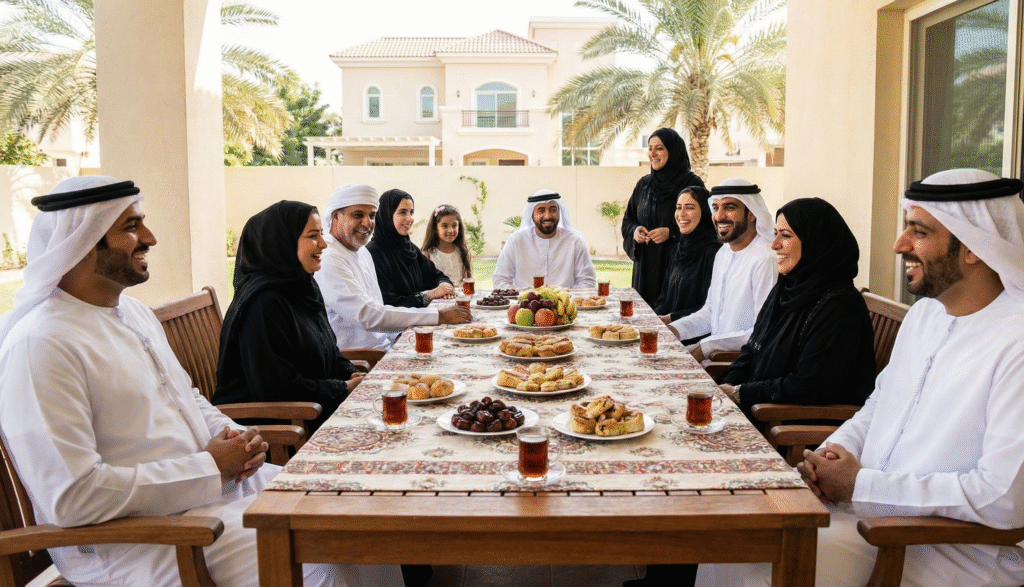
Tea has been part of human culture for thousands of years, but in the UAE it holds a particularly important place. Beyond taste, tea represents tradition, hospitality, relaxation and wellness. Over time, tea drinking has transitioned from a cultural custom to a daily health-focused ritual followed by people of all ages and nationalities in the Emirates. Tea as a Symbol of Connection and Hospitality For many households across the UAE, offering tea to guests is an expression of warmth and respect. Serving tea signals that someone is valued and welcomed in the home. Key characteristics of traditional tea gatherings: This culture of shared tea has helped strengthen family bonds and friendships for generations, and continues to be seen during celebrations, family gatherings, and Majlis meetings across the country. A Blend of Global Cultures in One Cup With more than 200 nationalities living in the UAE, the tea landscape is extremely rich and diverse. Each culture has introduced its own style of preparation, ingredients, and occasions for tea. Different communities bring unique tea traditions such as: This intercultural influence has made the UAE one of the few places in the world where tea varieties from every continent are consumed daily and celebrated equally. Tea as a Part of the Modern Wellness Lifestyle In recent years, many UAE residents have become more conscious about physical and mental wellness. As a result, tea has become a natural choice for those looking for comfort with health benefits. Common reasons people include tea in their wellness routines: Popular tea types and their associated benefits: Evening Tea: A Growing Ritual for Stress Relief The pressure of fast-paced work environments and long working hours has encouraged a growing trend of evening tea rituals across the UAE. Instead of finishing the day with more screens or social media, people choose a quiet tea moment. Reasons evening tea routines are becoming more popular: A short tea break before dinner or before bedtime has become a reliable way to decompress mentally and emotionally. Preparing Tea as a Form of Self-Care The process of making tea itself is often just as comforting as drinking it. The repetition and focus required can reduce stress and bring awareness to the present moment. People find the ritual meaningful because: In a fast-moving environment like the UAE, such a grounding ritual can significantly improve overall well-being. Conclusion Tea culture in the UAE has evolved into more than a traditional beverage habit. It is a reflection of cultural hospitality, global diversity and a growing focus on personal wellness. Whether enjoyed socially or privately, tea has become a daily anchor that allows people to slow down, connect and take care of themselves. For many, it is no longer just a drink — it is a lifestyle.

Scroll to Top